


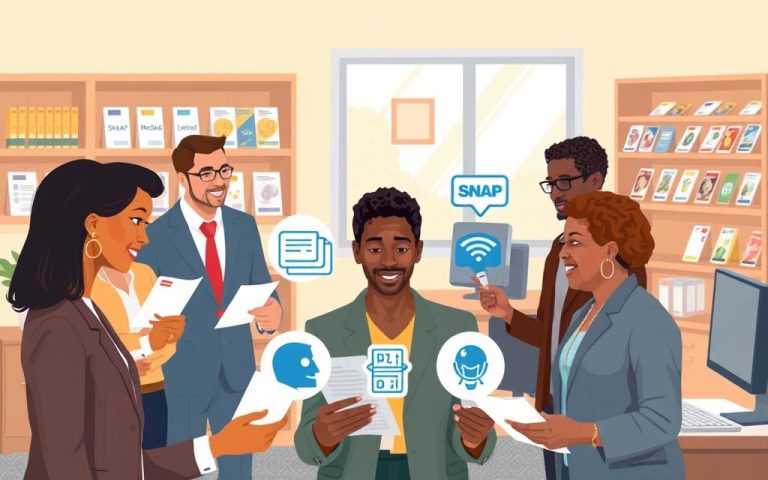
Lifeline Benefits: How SNAP, Medicaid and SSI Can Help Qualify for Phone and Internet Discounts

Could a household lower its monthly phone bill without changing its plan? For many eligible families in the United States, the answer may depend on income, public assistance, and where they live.
The Lifeline program connects SNAP, Medicaid, SSI, and household income rules with affordable communication service. An approved provider may apply a monthly discount of up to $9.25 to a qualifying phone, internet, or bundled plan.
Support can cover residential phone service, wireless plans, broadband, and select bundles. Households that do not receive SNAP may still qualify if their income falls at or below 135% of the Federal Poverty Guidelines.
People living on qualifying Tribal lands may receive an enhanced discount of up to $34.25 each month. In some areas, combined federal and state savings can reach $17.02. This overview explains the key rules and shares clear information to help each household find the right path to affordable phone internet access.
→ You will see a brief announcement and stay here
Reliable connectivity helps households manage daily tasks, stay informed, and reach support when needed. The Lifeline program makes qualifying phone and internet service more affordable for eligible subscribers.
The federal Lifeline program is administered by the Universal Service Administrative Company, or USAC. USAC offers application information, enrollment guidance, and safeguards for survivors of domestic violence or human trafficking.
Under the federal communications framework, eligible households may use the discount for several types of service:
A dependable connection helps people contact schools, employers, doctors, government offices, and emergency services. It can also help households complete online forms, attend virtual appointments, and search for work.
Eligible subscribers may receive up to $9.25 per month. Subscribers on qualifying Tribal lands may receive up to $34.25 per month. These savings can make essential service easier to maintain.
A lower communications bill can give a household more room for food, medicine, and other essentials. The Lifeline program may reduce the cost of qualifying phone, internet, or bundled service by up to $9.25 each month.
Some households may receive additional state support. When federal and state discounts work together, total savings may reach $17.02 per month. The exact amount depends on the subscriber’s location, plan, and approved provider.
Kansas shows why local rules matter. Its state discount provides $7.77, but that amount may apply only to phone service. It cannot reduce an internet-only charge.
Kansas also limits the federal contribution for a voice-only telephone plan to $5.25. The full federal amount may apply to internet or bundled phone internet service when the plan meets program rules. A qualifying subscriber should confirm the plan details before enrollment, especially if emergency calling remains a key need.
Two main paths can open access to this monthly discount. A household may qualify through current enrollment in a recognized assistance program or by meeting the federal income standard.
The Lifeline program accepts participation in SNAP, Medicaid, SSI, and other approved federal or Tribal programs. Enrollment in one listed assistance program may create a separate route to affordable service. Applicants usually need proof of current participation, such as an approval notice or agency record.
A household may also qualify when its annual income is at or below 135% of the Federal Poverty Guidelines. The review considers household size and the income of people who share financial responsibility.
Approval applies to one qualifying household, not automatically to every person at the same address. Roommates, relatives, or separate families may need to show that they form different economic households. Applicants should prepare income records or program documents before starting the review.
Participation in a qualifying public program can open a direct path to affordable communication service. The Lifeline program accepts approved assistance records, so a person may not need to qualify separately under the household income test.
People enrolled in SNAP may use their current enrollment to support eligibility. They should provide an award letter or another official record during the review.
Medicaid and SSI provide separate routes for eligible individuals. Each program can support an application for a qualifying phone or internet service through the Lifeline program.
Several other programs may count, including:
A Tribal Head Start program counts only when the applicant meets its income standard. Applicants should keep current program records ready for the eligibility check.
Household size plays a key role when the Lifeline program reviews income eligibility. The 2026 federal poverty guidelines set the maximum yearly amount a household may earn and still qualify for this service.
For one person, the 2026 limit is $21,546. A two-person household may earn up to $29,214. The limit rises to $36,882 for three people and $44,550 for four.
After eight members, each additional person adds $7,668 to the annual limit. These poverty guidelines help applicants compare their household income with the current eligibility standard.
Applicants should count everyone who shares financial responsibility in the household. They should also gather recent income records before applying. The Lifeline discount applies to one qualifying household, so accurate household details can support a smoother review.
Location can make a major difference in the amount of help a household receives for essential connectivity. Subscribers who live on qualifying Tribal lands may receive an enhanced monthly discount of up to $34.25.
The standard Lifeline amount reaches $9.25 per month. The higher Tribal support gives eligible households more room in their budgets for phone, internet, or bundled service. The final savings depend on the plan and the participating provider.
Eligibility does not depend on Tribal identity alone. The subscriber must live on qualifying Tribal lands, meet the program’s other rules, and select an approved service option. A household should confirm its address before applying.
Because coverage and plan choices vary by area, direct confirmation can prevent delays. A provider can explain which documents support location eligibility and whether the enhanced benefit applies to the selected service.
→ You will see a brief announcement and stay here
Eligible households can use the discount on more than one type of communication plan. The Lifeline program supports services that help people call, browse, study, and work.
Residential phone service is one option. A subscriber may also choose a wireless plan when an approved provider offers a qualifying Lifeline service. These choices can support basic calling and emergency contact needs.
Broadband coverage lets the discount support high-speed access, not just voice calls. A household may use it for telehealth visits, job searches, schoolwork, and online forms. Some providers also offer bundled service that combines internet with phone access.
The federal discount reaches $9.25 per month. The amount may depend on the plan, provider, and how the credit applies to the bill. The Lifeline service can lower the customer’s monthly cost when the selected plan meets program rules.
Kansas has a special voice-only limit. Only $5.25 of the federal discount may apply to a voice-only telephone plan. Subscribers should review plan details before enrollment.
The amount a household receives depends on both its address and its chosen plan. The standard federal Lifeline program discount can reduce an eligible service bill by up to $9.25 per month.
Households on qualifying Tribal lands may receive a higher discount of up to $34.25 each month. This enhanced benefit does not apply nationwide. The subscriber must live in an approved area, meet eligibility rules, and select a qualifying phone or internet service.
Some states add their own support. When federal and state discounts apply together, total savings may reach $17.02 per month. State assistance may have different rules, however. It could apply only to voice service, a specific plan, or participating providers.
Before choosing a provider, each household should confirm its address, plan type, and expected credit. This comparison helps families estimate savings and avoid assuming that every discount applies to every service.
→ You will see a brief announcement and stay here
Different funding sources can lower one monthly bill, but each source follows its own rules. USAC administers the federal Lifeline program, while a state may add separate support for eligible phone service.
The federal discount reaches $9.25 per month. It may apply to internet, a bundled phone and internet plan, or voice-only service. In Kansas, however, the federal credit for voice-only service is limited to $5.25.
Kansas also offers a $7.77 state discount. That amount may apply only to phone service, not an internet-only plan. When both credits fit the same eligible account, total monthly savings may reach $17.02.
The Federal Communications Commission sets the national framework, while state policies and provider rules shape the final credit. This communications commission structure means that the same program may work differently across service areas.
Households should check plan details with their state and provider before counting on combined support.
The first step is a secure eligibility review through the National Verifier. This system checks whether an applicant meets the rules before enrollment with an approved provider.
An applicant can begin online at LifelineSupport.org. The online application guides each person through basic identity, household, and eligibility questions.
People who prefer paper forms can print an application and mail it in. English and Spanish forms are available, which makes the process easier for more households. A state agency or service provider may also explain where to send the completed form.
Applicants should gather clear information before starting. Those using SNAP, Medicaid, SSI, or another qualifying program may need an award letter or current participation record.
Income-based applicants should provide household details and records that show income at or below 135% of the Federal Poverty Guidelines.
USAC’s One Portal connects the National Verifier with NLAD and LCS, which support program administration. Keeping documents accurate can help the eligibility review move forward.
→ You will see a brief announcement and stay here
A careful provider comparison helps a household choose a plan that fits its daily needs. Through the Lifeline program, eligible subscribers may apply assistance to home phone service, mobile service, high-speed broadband, or a bundle.
Each company offers different coverage areas, fees, data limits, and contract terms. Before submitting an application, the subscriber should confirm that the selected telephone or internet plan accepts the approved discount in that state.
Companies must complete the required process to become eligible telecommunications carriers before they can offer supported plans. The National Verifier confirms eligibility, while the chosen company explains enrollment, equipment, and billing details.
Subscribers can compare these points:
Kansas residents can review the provider list published by the state. This resource helps applicants find participating companies and check available Lifeline service. A direct call to a provider can also clarify whether the benefit applies before enrollment.
Once an application enters review, the National Verifier checks the applicant’s identity, household details, and eligibility records. This USAC system may request clarification if information is missing or does not match agency records.
After approval, the applicant works with a participating provider to choose an eligible telephone or broadband plan. The provider confirms enrollment and activates the Lifeline service when the account meets all requirements. Subscribers should ask about fees, equipment, coverage, and emergency calling before accepting a plan.
USAC’s One Portal links the National Verifier with NLAD and LCS. These systems help track enrollment, provider participation, and ongoing program records. Providers also complete required steps to become eligible telecommunications carriers before offering supported service.
People who face domestic violence or human trafficking may request added privacy safeguards. USAC can help protect sensitive application information during the review process. Applicants should respond quickly to official requests, while avoiding unnecessary disclosure of personal details. Maintaining access to emergency contacts remains important throughout enrollment.
→ You will see a brief announcement and stay here
Keeping communication support requires more than initial approval. Each subscriber must still meet program rules, use an approved service, and complete required checks on time.
USAC may ask a subscriber to confirm eligibility each year. This process, called recertification, helps verify that the household still qualifies. The monthly credit can reach $9.25, or up to $34.25 on qualifying Tribal lands.
A subscriber should answer every notice by the stated deadline. Missing a request may end the credit or interrupt service. Continued participation also means keeping an approved plan active with the selected provider.
Households should report changes as soon as possible. A new address, household member, income change, or phone number can affect the record. Accurate details help the program match information across the National Verifier, NLAD, and LCS.
The application record should match the subscriber’s current situation. Prompt updates can reduce delays and help protect active service.
Survivors of domestic violence or human trafficking may need extra privacy during enrollment. USAC offers safeguards that help protect personal details in a Lifeline program application.
These protections can reduce the risk of exposing a survivor’s address, identity, or communication habits. They may also help individuals decide how to receive notices and calls safely. A survivor should use a secure device, private email, or trusted mailing address when possible.
Phone and internet access can support emergency contact with a shelter, doctor, advocate, or emergency service. However, a survivor should consider whether a shared device or account could reveal sensitive activity. Safe planning matters before any information is submitted.
The Federal Communications Commission and USAC provide information about communication protections. A survivor can contact an approved provider or official Lifeline representative for guidance. The Lifeline service may support emergency needs, while the Lifeline program works to keep application details safer.
→ You will see a brief announcement and stay here
Clear guidance can make the Lifeline application easier to complete. Applicants can visit LifelineSupport.org for official instructions, eligibility details, and assistance resources. The site also explains how to check an application and find next steps.
USAC’s One Portal helps users access the National Verifier, NLAD, and LCS. These systems support eligibility checks, enrollment records, and provider administration. Official information is safer than advice from an unofficial website.
The Federal Communications Commission and USAC should be the first sources for current program rules. Kansas residents can contact their telephone company or review the state provider list for local service choices and enrollment help.
Survivors of domestic violence or human trafficking can ask about added privacy safeguards before submitting an application. Anyone with an emergency communication concern should request safe contact options and limit personal details shared on an unsafe device.
Affordable connectivity may be within reach when a household reviews each eligibility path. The Lifeline program can lower phone and internet or broadband costs by up to $9.25 per month. SNAP, Medicaid, SSI, another approved program, or income at 135% of the federal poverty level may support an application.
The 2026 poverty guidelines allow $21,546 for one person. The limit adds $7,668 for each person above eight. A household on qualifying Tribal lands may receive a lifeline benefit of up to $34.25 each month.
Applicants can visit LifelineSupport.org or mail an English or Spanish form through the National Verifier. They should choose an approved service provider, review plan charges, complete recertification, and keep address and contact details current. Checking state rules may reveal extra support and help prevent billing surprises.
→ You will see a brief announcement and stay here