Earned Income Tax Credit Application: How to Claim the EITC on Your Tax Return

Could choosing the wrong start date reduce your retirement income for life? For many Americans, the answer depends on when and how they claim their monthly payments.
About 69 million retirees receive payments from Social Security each month. These benefits can provide steady income, but they replace only about 40% of your pre-retirement earnings. You should treat them as one part of a broader retirement plan, not your entire income.
This guide walks you through each step. You will learn how to check eligibility, review your earnings record, gather documents, submit an application, and track its progress. It also explains how to use online tools, phone support, and local offices.
You can apply for social security retirement payments up to four months before your preferred start date. Claiming at age 62 may provide earlier income, but it can permanently lower your monthly benefits. Reviewing your choices first helps you make a confident decision and avoid delays.
Whether you apply online, by phone, or in person, this guide helps you prepare for a smoother application.
Before you choose a start date, learn how your record shapes your monthly income. A few key rules can help you protect your future benefits and make a better plan.
Most workers need 40 credits, or about 10 years of covered work. In 2026, you earn one credit for each $1,890 in covered earnings, with up to four credits per year.
You may start at 62, reach full retirement age between 66 and 67, or delay payments until 70. For example, an $1,800 full-age benefit may fall to about $1,260 at 62 or rise to about $2,232 at 70. The 2026 cost-of-living adjustment is 2.8%. If you keep working, the earnings test applies above $24,480 before full retirement age and $65,160 during that year.
Your work record is not the only path to retirement income. A spouse, former spouse, or family member may qualify for related payments. Reviewing each option with the Social Security Administration can help you avoid overlooking valuable benefits.
A spousal benefit may reach 50% of your spouse’s full retirement age amount. A divorced spouse may qualify after a marriage of at least 10 years, if other SSA rules apply and you are currently unmarried.
Survivor benefits can reach 100% of the deceased person’s amount at your full retirement age. They may start at 60, or at 50 if you have a disability. A one-time death payment may also provide $255.
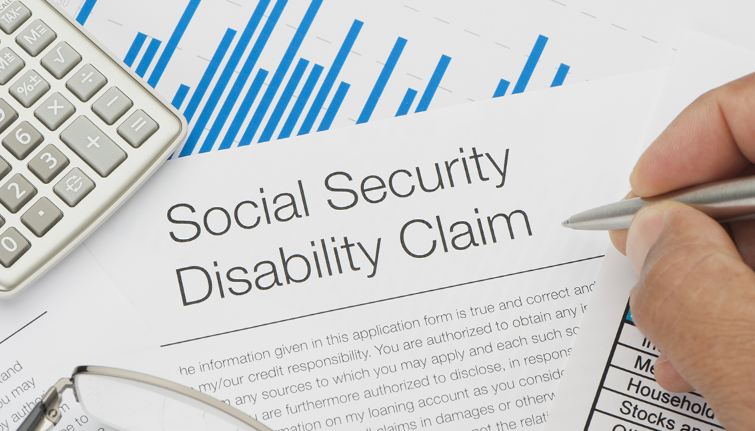
Social Security Disability Insurance is based mainly on your work credits and medical condition. Social security disability payments may support a person who cannot work. Supplemental Security Income focuses on age 65 or older, blindness, disability, and limited income.
If health problems make filing difficult, a trusted family member, advocate, attorney, or authorized representative can provide help and assistance.
Your online record gives you a clearer view of your future retirement income. Review it early so you can spot missing details before submitting an application.
Begin by creating or signing in to your social security account. Use the available tools to estimate your benefit, view retirement details, and check an application status.
The portal also helps you manage practical tasks. You can update direct deposit, download tax documents, and request a benefit-verification letter.
The SSA uses your highest 35 earning years to calculate a retirement benefit. Missing years may count as zero, while incorrect wages can reduce your money.
Compare listed employers, wages, and self-employment income with your W-2 forms and tax records. Make sure each year matches your history.
Contact the SSA promptly if you find an error. Keep supporting documents ready, since the correction process may require proof.
Good paperwork can make your retirement filing faster and easier. Gather key records before you apply social security, then keep copies in a safe place. Retirement benefits may begin up to four months after you submit your application.
Start with your Social Security number, proof of age, and a birth certificate. Include proof of U.S. citizenship or lawful status, such as a certificate of naturalization. Make sure names and dates match across your records. If your original birth certificate is unavailable, the SSA may explain other acceptable documents.
Marriage or divorce records can support benefits based on a spouse’s or former spouse’s work record. Add a recent W-2, self-employment tax return, or other work paperwork. The agency may help you obtain missing documents later, but starting with complete records saves time.
Provide your bank routing and account numbers for direct deposit. You can also choose a Direct Express Debit MasterCard. For supplemental security income or disability claims, include a lease, utility bill, payroll slips, bank statements, and details about property or vehicles.
You have several filing routes, so choose the one that fits your needs and schedule. Online filing often offers the quickest process and lets you work from home.
Visit SSA.gov and sign in to your my Social Security account. Most retirement applications take about 10–30 minutes. You can save your progress and return later. The agency reports that 65% of customers successfully file retirement claims online.
This option may also support family and eligible disability claims. People living abroad can apply online for retirement, family, or SSDI benefits with an account.
Call 1-800-772-1213. TTY users can call 1-800-325-0778, Monday through Friday, from 8 a.m. to 7 p.m. local time. Phone appointments may take 30 days or more, so schedule early.
One careful review can prevent costly surprises after you file. Before you apply social security, confirm your start month, birth date, bank details, marital status, and earnings record. A wrong month may delay the process or create a lower monthly benefit than you expected.
Read each answer on your application slowly. Check your account number, work history, and contact information. Save a copy of the completed form and note your confirmation number.
The Social Security Administration may take up to six weeks to process a claim. Your first payment usually arrives one month after your selected start date.
The agency may ask for missing documents, proof of employment, identity details, or clarification. Reply by the deadline to keep the process moving. If you need help, contact the SSA or a field office.
These steps also apply when you seek disability benefits, including Social Security Disability Insurance.
A sound retirement choice starts with a clear review of your record. Confirm your eligibility, check your earnings, and compare claiming ages. These steps can protect your monthly social security benefits and help you avoid a costly start-date mistake.
Remember, retirement payments may replace only about 40% of past earnings. Include savings, pensions, and other income in your plan. Your social security retirement benefit should support that larger strategy, not carry it alone.
Careful preparation gives you a better chance to receive the social security benefits you earned. Make informed choices, protect your money, and begin retirement with greater confidence.